When investing in Dubai real estate, most investors look at location, price, rental yield and potential capital growth. But one factor can influence all four: infrastructure.
New Metro lines, roads, airports, schools, business districts and tourism destinations can change how accessible and attractive an area becomes. For property investors, understanding this relationship can help identify opportunities before an area reaches its full potential.
WHY INFRASTRUCTURE MATTERS IN DUBAI REAL ESTATE
Infrastructure can influence property demand by making an area easier to reach and more convenient to live in.
Better connectivity can attract residents, businesses and visitors, which may support demand for nearby residential and commercial properties.
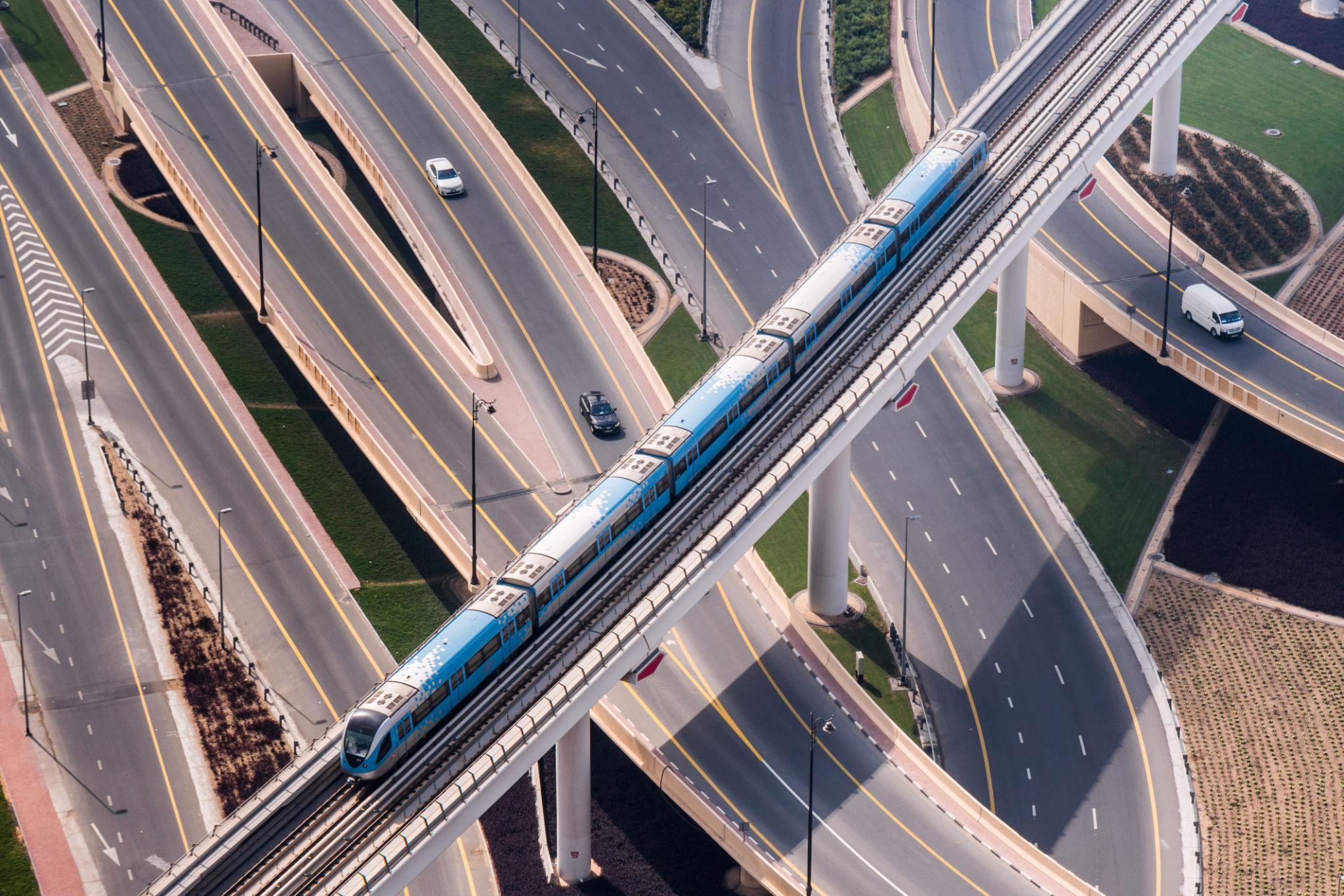
For example, Dubai’s Metro Blue Line is planned to connect areas including Dubai Creek Harbour, Dubai Festival City, International City, Ras Al Khor and Mirdif to the wider Metro network, with operations targeted for 2029.
For investors, however, the important question isn’t simply whether a property is “near the Metro.”
It is:
How does the infrastructure improve the property’s accessibility and demand?
1. BETTER CONNECTIVITY CAN SUPPORT RENTAL DEMAND
Tenants often consider commute times, access to public transportation, employment centres and everyday amenities when choosing where to live.
A property with convenient access to major roads, Metro stations or business districts may therefore appeal to a wider pool of tenants.
This can potentially support:
- Rental demand
- Occupancy
- Tenant retention
- Long-term rental prospects
However, infrastructure is only one part of the equation. Investors should also examine rental prices, competing properties, service charges, unit layouts and the amount of new supply entering the area.
2. INFRASTRUCTURE CAN INFLUENCE PROPERTY VALUES
Improved accessibility can increase an area’s attractiveness to both residents and investors.
When a community becomes better connected to major employment, retail, tourism and leisure destinations, demand can increase over time.
That can contribute to property value growth, although appreciation is never guaranteed.
Investors should therefore avoid buying solely because a future infrastructure project has been announced.
Instead, consider:
- What is being developed?
- When will it be operational?
- Which communities will benefit?
- How much demand already exists?
- Is the property already priced for the expected improvement?
3. FUTURE INFRASTRUCTURE CAN CREATE NEW INVESTMENT OPPORTUNITIES
Some Dubai locations are being developed alongside major infrastructure projects.
This creates an important distinction between established locations and emerging areas.
Established communities already have infrastructure, amenities and demand. Emerging communities may offer the potential to benefit from future infrastructure and development—but they also carry greater uncertainty.
For an investor, the opportunity may lie in identifying areas where infrastructure improvements are supported by other strong fundamentals, rather than relying on a single future project.
4. ROADS, AIRPORT AND AMENITIES MATTER TOO
Infrastructure isn’t limited to the Metro.
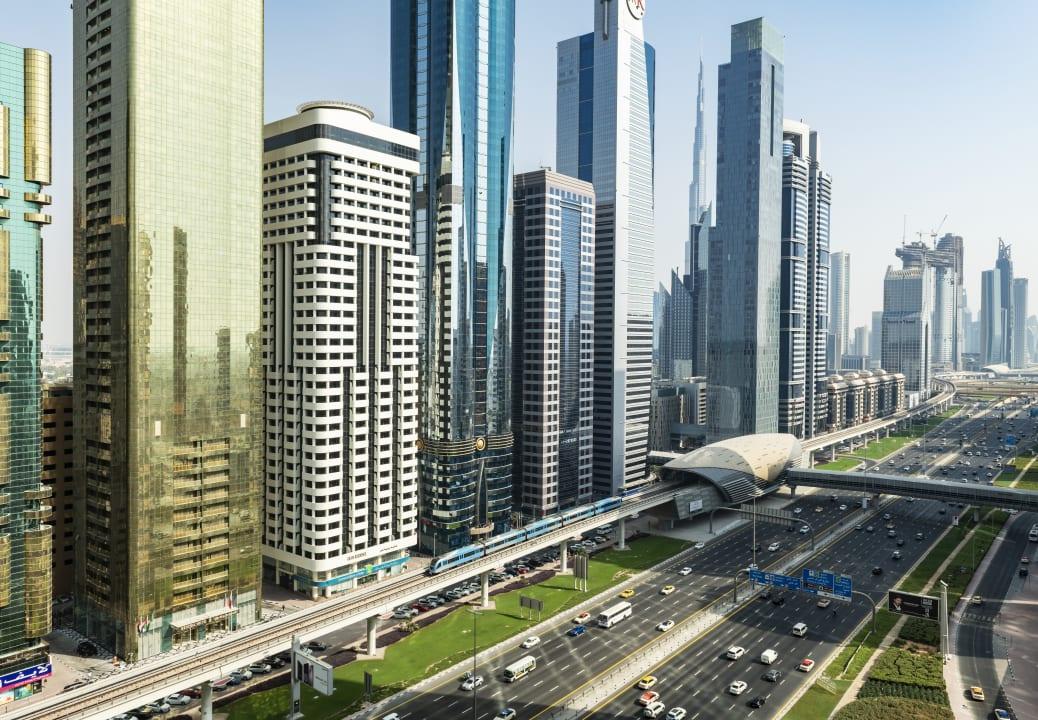
Dubai’s road network, airports, schools, hospitals, retail destinations and tourism developments can all influence the attractiveness of a location.
For example, improved road connectivity can make villa and townhouse communities more accessible, while proximity to airports and tourism destinations can support demand for certain residential and hospitality-oriented properties.
The impact depends heavily on the property type and target tenant or buyer.
5. INFRASTRUCTURE DOES NOT AUTOMATICALLY MEAN HIGHER RETURNS
One of the biggest mistakes investors can make is assuming:
New infrastructure = guaranteed property appreciation.
It doesn’t.
A new transport connection can increase accessibility while new developments simultaneously increase competition.
Likewise, an infrastructure project may already be reflected in current property prices.
This is why infrastructure should be analysed alongside:
Location + Demand + Supply + Price + Rental Potential + Exit Strategy
The strongest investment opportunities usually have several supporting fundamentals—not just a compelling infrastructure story.
HOW TO EVALUATE INFRASTRUCTURE BEFORE BUYING
Before investing in a Dubai property because of an upcoming infrastructure project, ask:
1. Where exactly is the project?
Check the actual location rather than relying on “nearby” claims.
2. When will it be completed?
Future infrastructure should be treated as potential, not an existing benefit.
3. Who will benefit?
Consider residents, tenants, businesses and visitors.
4. What other developments are coming?
New infrastructure can attract both demand and competing property supply.
5. Does the property make sense without it?
A strong investment should not depend entirely on one future project.
THE BOTTOM LINE
Infrastructure can play an important role in Dubai property investment by influencing accessibility, rental demand and the long-term attractiveness of a location.
But the best investment decisions go beyond the nearest Metro station or biggest infrastructure announcement.
Look at the complete picture: location, connectivity, rental demand, supply, pricing and future development.
Because in Dubai real estate, it is not just about where a property is today.
It is also about how the area around it is evolving.
Looking for a Dubai Property Investment?
At The Ark Real Estate, we help investors assess Dubai properties based on their investment goals, budget, location preferences and expected returns.
Explore Dubai investment opportunities with The Ark Real Estate.