
Dubai has earned a reputation as one of the world’s most investor-friendly real estate markets. With strong economic fundamentals, a strategic global location, attractive rental yields, and a transparent regulatory framework, the city continues to attract investors from across Africa, Europe, Asia, and North America.
One of the biggest reasons behind this global appeal is Dubai’s freehold property ownership system. Unlike many international real estate markets where foreign ownership is restricted, Dubai allows international investors to own property outright in designated freehold areas.
If you’re wondering whether Dubai property investment is a good opportunity, understanding Dubai’s freehold property laws is an important first step.
What Is Freehold Property in Dubai?

Freehold property refers to real estate that can be owned outright by the buyer, including both the property itself and the land it sits on.
In Dubai’s designated freehold areas, foreign nationals can:
* Buy property in their own name
* Sell or transfer ownership
* Lease properties to tenants
* Mortgage properties
* Pass ownership to heirs
This gives investors long-term ownership rights and greater flexibility compared to leasehold arrangements commonly found in some other countries.
Can Foreigners Buy Property in Dubai?
Yes.
Foreign nationals can purchase freehold properties in government-approved freehold zones across Dubai.
Some of the most popular freehold areas include:
* Dubai Marina
* Downtown Dubai
* Business Bay
* Palm Jumeirah
* Dubai Hills Estate
* Dubai Creek Harbour
* Jumeirah Village Circle (JVC)
* Dubai South
These communities attract investors due to their strong rental demand, infrastructure development, and long-term growth potential.
Why Dubai’s Freehold Property Laws Attract International Investors
1. Full Ownership Rights
One of the biggest benefits of Dubai’s freehold property laws is that investors receive full ownership rights.
Unlike markets where foreign investors may face restrictions on land ownership or property transfers, Dubai’s freehold framework provides security and control over the asset.
Investors are free to sell, lease, mortgage, or transfer their property according to their financial goals.
2. No Annual Property Tax
Many global property markets impose recurring annual property taxes that can significantly reduce long-term investment returns.
Dubai does not charge annual property taxes on residential properties.
This allows investors to retain more of their rental income and maximize overall returns.
While service charges and registration fees apply, the absence of annual property tax remains one of Dubai’s strongest competitive advantages.
3. No Capital Gains Tax for Individual Investors
Another major benefit is that individual investors generally do not pay capital gains tax on profits generated from property sales.
For investors seeking long-term capital appreciation, this can have a significant impact on net returns when compared to many traditional investment markets.
4. Transparent Regulatory Environment
Dubai’s real estate sector is regulated by the Dubai Land Department and the Real Estate Regulatory Agency.
These institutions provide:
* Property registration systems
* Investor protection measures
* Escrow account regulations
* Clear legal frameworks for property transactions
This transparency helps build confidence among local and international investors.
5. Efficient Buying and Selling Process
Dubai has streamlined the property transaction process, making it relatively simple for international buyers to enter the market.
Digital systems, professional brokerage services, and clear ownership records contribute to a smooth buying experience.
Compared to many global markets, the process is often faster and more efficient.
6. Strong Rental Yield Potential
Dubai continues to attract investors seeking rental income opportunities.
Compared to many mature property markets, Dubai often offers attractive rental yields, particularly in high-demand communities such as:
* Dubai Marina
* Business Bay
* JVC
* Dubai Hills Estate
* Dubai South
This combination of rental demand and population growth makes Dubai an attractive destination for income-focused investors.
7. Wealth Preservation and Diversification
Many international investors view Dubai property as a way to diversify their portfolios and preserve wealth.
For investors in emerging markets, Dubai real estate provides access to:
* A stable currency environment
* International property ownership
* Global investment opportunities
* Long-term capital growth potential
This has made Dubai increasingly attractive to investors seeking geographic diversification.
How Dubai Compares to Other Global Real Estate Markets
| Feature | Dubai |
|---|
| Foreign Freehold Ownership | Yes |
| Annual Property Tax | No |
| Capital Gains Tax (Individuals) | No |
| Transparent Property Registration | Yes |
| Strong Rental Yield Potential | Yes |
| Global Business Hub | Yes |
This combination of benefits has helped position Dubai as one of the most accessible and investor-friendly property markets in the world.
Leading Developers in Dubai’s Freehold Market
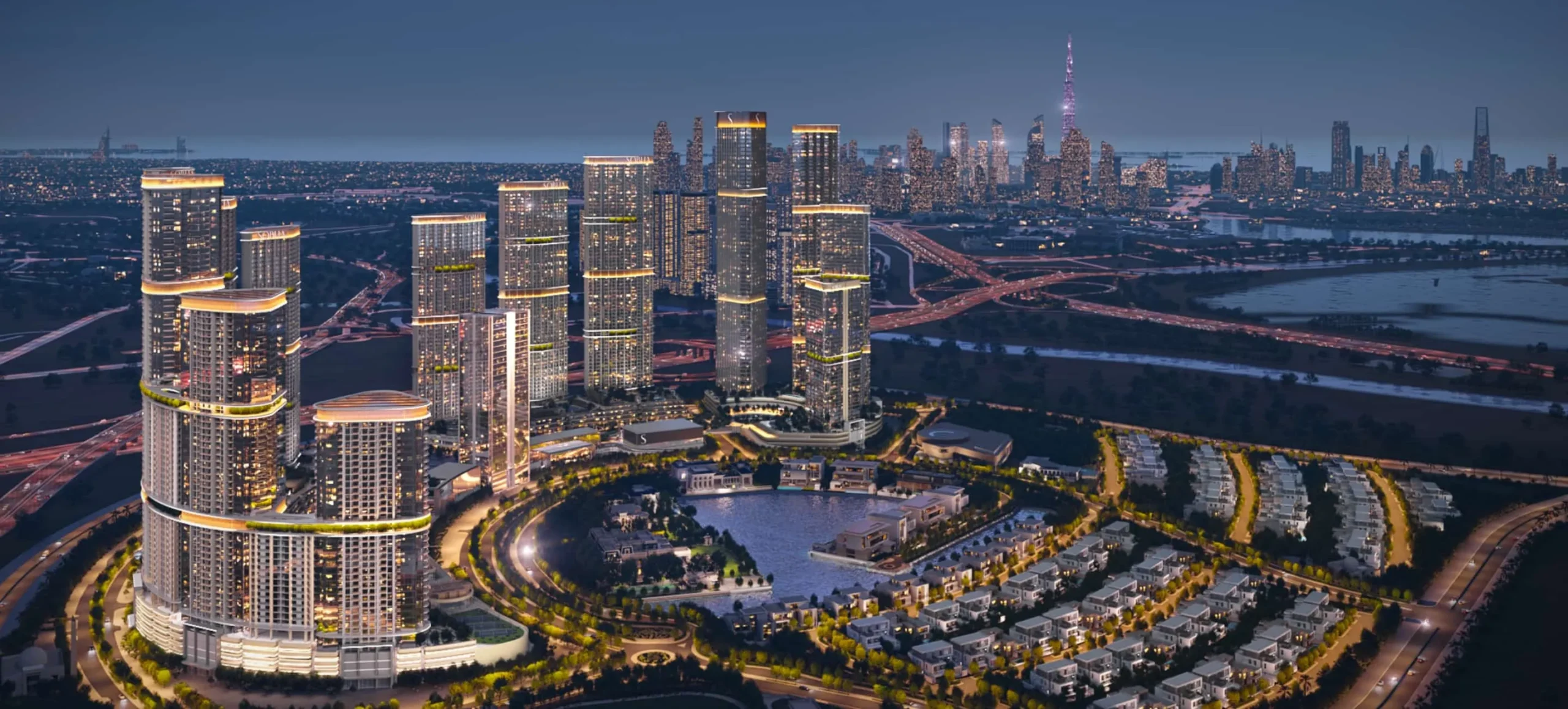
When investing in Dubai property, choosing the right developer is just as important as selecting the right location.
Some of the most recognized developers include:
* Sobha Realty
* Emaar Properties
* DAMAC Properties
* Nakheel
A developer’s track record, delivery history, construction quality, and community planning should always be part of the investment evaluation process.
Frequently Asked Questions
Is Dubai property a good investment for foreigners?
Dubai remains one of the world’s most attractive property investment destinations due to its tax advantages, freehold ownership options, strong rental market, and growing economy.
What are freehold areas in Dubai?
Freehold areas are designated zones where foreign nationals can own property outright. Popular examples include Dubai Marina, Downtown Dubai, Business Bay, Palm Jumeirah, Dubai Hills Estate, and Dubai Creek Harbour.
Can foreigners get residency through property investment in Dubai?
Certain property investments may qualify buyers for long-term residency programs, subject to UAE government regulations and eligibility requirements.
Does Dubai charge annual property tax?
No. Dubai does not impose annual property taxes on residential properties, although owners are responsible for service charges and transaction-related fees.
Can foreigners sell their property in Dubai?
Yes. Owners of freehold properties can sell, lease, transfer, or mortgage their properties in accordance with UAE regulations.
Final Thoughts
Dubai’s freehold property laws have played a significant role in transforming the city into a global real estate investment destination.
By allowing foreign ownership in designated freehold areas, maintaining a transparent regulatory environment, and offering a tax-efficient investment framework, Dubai provides international investors with a compelling opportunity to build and preserve wealth through real estate.
Whether your goal is rental income, capital appreciation, portfolio diversification, or long-term wealth preservation, understanding Dubai’s freehold property laws can help you make more informed investment decisions.
Looking to Invest in Dubai Property?
The Ark Real Estate helps investors identify high-potential opportunities across Dubai’s leading freehold communities. Whether you’re investing for rental income, long-term growth, or portfolio diversification, our team can help you navigate the market with confidence.
Book a consultation today and discover the right Dubai investment opportunity for your goals and budget.