Dubai’s real estate market has never grown by chance. One of the city’s greatest strengths is its long-term planning, where infrastructure, technology, and urban development work together to create sustainable growth.
As Dubai continues investing in major transport networks, smart city initiatives, and master-planned communities, many investors are asking an important question:
How will these developments impact property values over the next decade?
While no investment is guaranteed, history shows that well-planned infrastructure often plays a significant role in driving demand for real estate.
Why Infrastructure Matters
Infrastructure does more than improve convenience—it makes communities more desirable.
New metro lines, roads, airports, schools, parks, and business districts can attract more residents and businesses, increasing demand for both buying and renting property.
For investors, this often translates into stronger long-term growth potential.
Key Projects to Watch
Several major initiatives are expected to influence Dubai’s property market over the coming years:
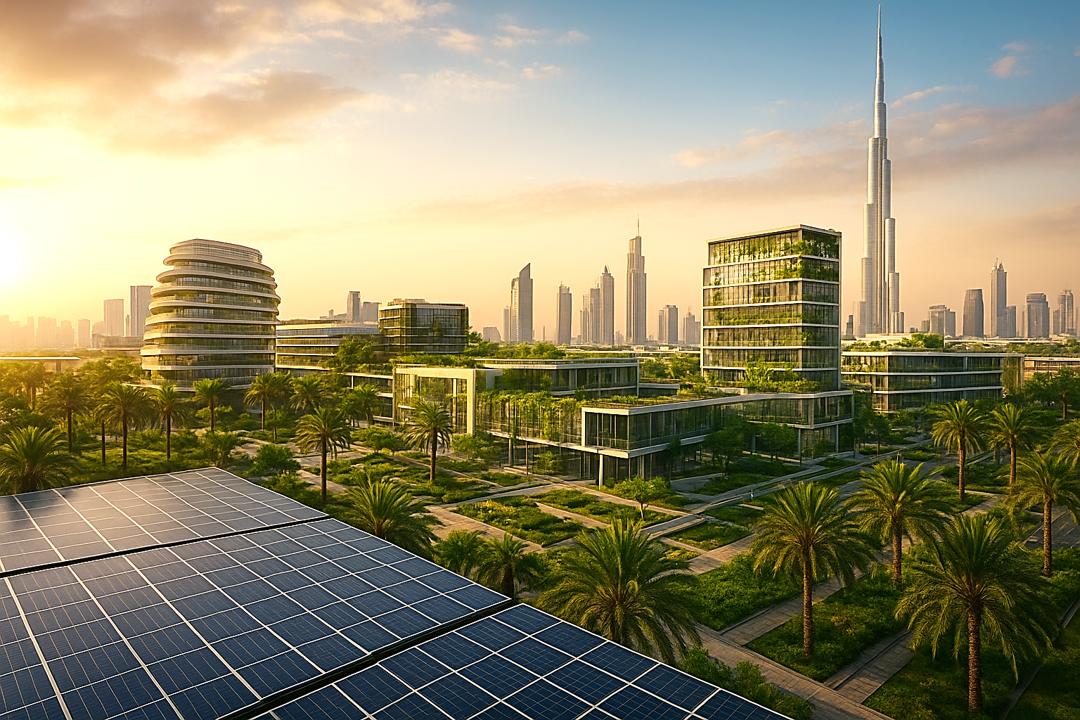
Dubai 2040 Urban Master Plan
This long-term strategy aims to create a more sustainable, connected, and people-focused city by expanding green spaces, improving mobility, and enhancing quality of life.
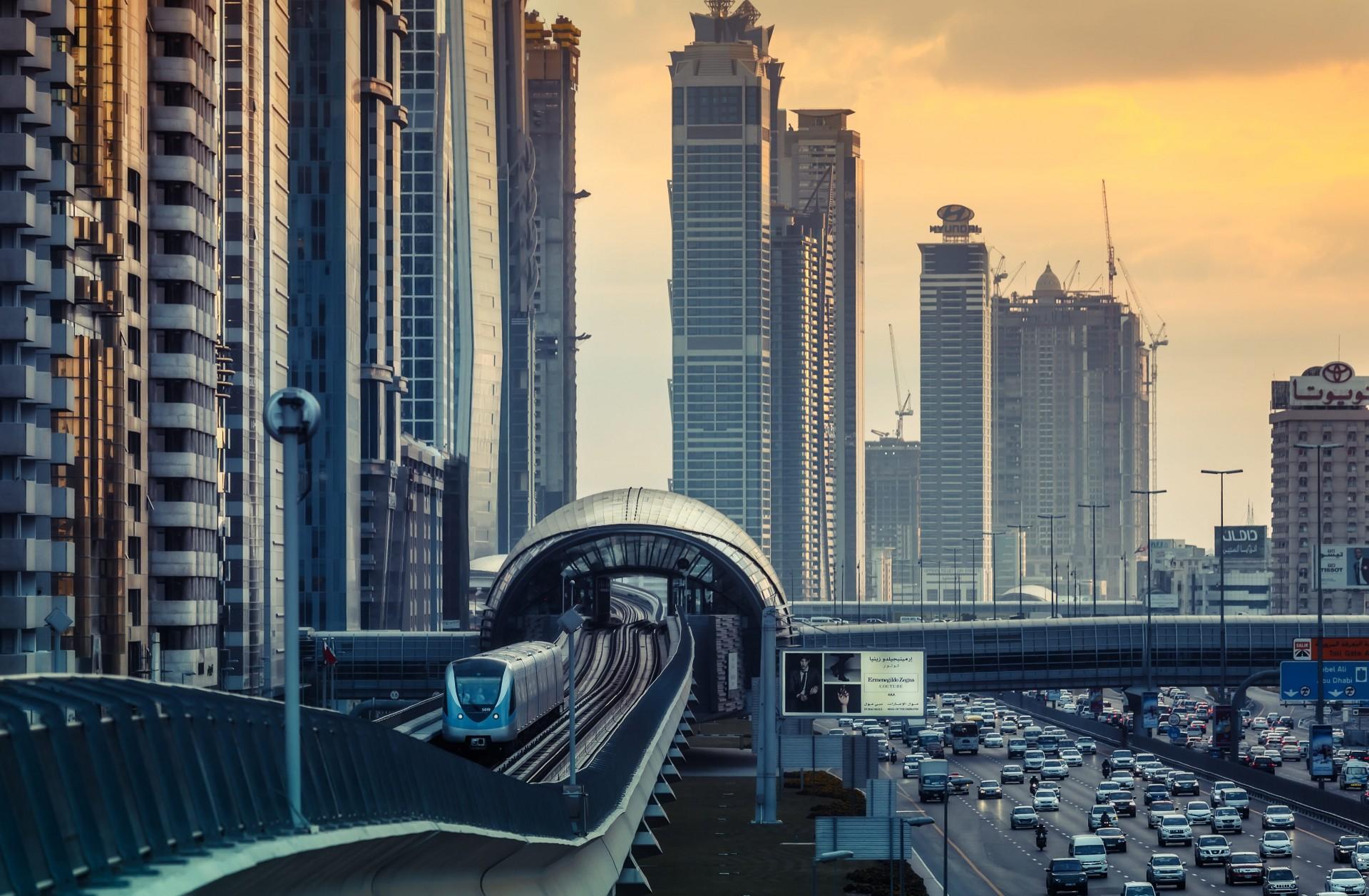
Dubai Metro Blue Line
The planned expansion of the Metro network will improve connectivity between key residential and commercial areas, making many communities more accessible and attractive.
Al Maktoum International Airport Expansion
As one of the world’s largest airport developments progresses, surrounding areas could benefit from increased business activity, employment opportunities, and housing demand.
Smart City Initiatives
Dubai continues to invest in AI, digital government services, smart mobility, and sustainable technologies, reinforcing its position as one of the world’s leading smart cities.
What This Means for Property Investors
Rather than benefiting every property equally, these developments are likely to create stronger demand in communities that are:
- Well connected to transport networks
- Close to business and employment hubs
- Part of well-designed master-planned developments
- Supported by schools, retail, healthcare, and lifestyle amenities
These are the characteristics that often attract both end-users and tenants, supporting long-term property performance.
Don’t Rely on Infrastructure Alone
While infrastructure is an important growth driver, it shouldn’t be the only factor behind an investment decision.
Before purchasing, investors should also consider:
- The developer’s reputation
- Current and future supply in the area
- Rental demand
- Service charges
- Entry price
- Long-term investment objectives
A strong location combined with a quality development is usually a more reliable strategy than buying solely because of a new infrastructure project.
Final Thoughts
Dubai’s continued investment in infrastructure and smart city development is one of the key reasons the city remains attractive to global property investors.
Projects such as the Dubai 2040 Urban Master Plan, the Metro Blue Line, and the expansion of Al Maktoum International Airport are expected to strengthen connectivity, improve quality of life, and support demand in well-positioned communities.
For investors, the biggest opportunities over the next decade are likely to come from identifying locations that align with Dubai’s long-term vision—not simply following market trends.
Looking to Invest in Dubai?
At The Ark Real Estate, we help investors identify communities with strong long-term growth potential based on market fundamentals, infrastructure developments, and investment objectives.
Whether you’re investing for rental income, capital appreciation, or portfolio diversification, our team can help you make informed decisions in Dubai’s evolving property market.